
Free drawing lessons · No email needed
Learn to draw, one step at a time.
Choose a picture you’d like to make. Find an Easy, Medium or Hard lesson, follow the illustrated steps, or print a free worksheet.
Start with simple shapes
How the levels and learning paths work
Levels describe the drawing skills in the main lesson, not your age or the number of pictures. Every level includes instructions. You can choose any subject and use as much help as you like.
Easy
Broad shapes, simple curves and straightforward joins.
Medium
Relative proportions, reshaped curves and several overlaps or guides to erase.
Hard
Controlled compound curves, changing widths or interlocking layers.
Suggested learning paths
Follow a short sequence to practise related skills, or choose any picture from the library.
Easy
Start with broad shapes
Try crossing lines, open curves and repeated spots before adding more complicated joins.
Medium
Connect and erase shape guides
Use a shared point, join overlapping shapes and remove only the temporary lines.
Medium
Practise connected curves
Keep curves apart, repeat their direction and connect petals and leaves to shared edges.
Medium
Build seasonal pictures
Combine roof and branch shapes, balanced features and smaller details inside a scene.
Medium
Connect animal shapes
Join heads and bodies, place paired features and keep the back feet behind the front pair.
Medium
Practise poses and overlaps
Use guides for hidden edges, folded limbs and feet at different depths.
Hard
Control curves and layers
Practise layered feathers, changing-width trunks and tails, and bent legs with shaped face markings.
3 picture steps Video included
A simple snowflake
EasyThree crossing lines and repeated V shapes build this flat pattern.
Three crossing lines become six arms, little branches and finished tips.
Start the lesson
7 picture steps Video included
A waving snowman
EasyBroad round shapes and short straight joins keep the construction straightforward.
Start with an open round head, then add a scarf, a smile and a raised twig arm.
Start the lesson
7 picture steps Pictures only
A friendly penguin
MediumFlipper joins and a connected face-and-belly patch need several coordinated curves.
Join a round head and plump body, then add flippers, a smiling beak and little feet.
Start the lesson
7 drawing steps Pictures only
A Christmas tree
MediumThree widening branch layers and a five-point star need balanced angles and curved joins.
Build three layers of branches below a star, then add a stand and ten round baubles.
Start the lesson
13 picture steps Video included
A friendly reindeer
MediumPaired ears, three-tip antlers and facial features need balanced placement and repeated turns.
Draw broad cheeks, branching antlers and a smiling face.
Start the lesson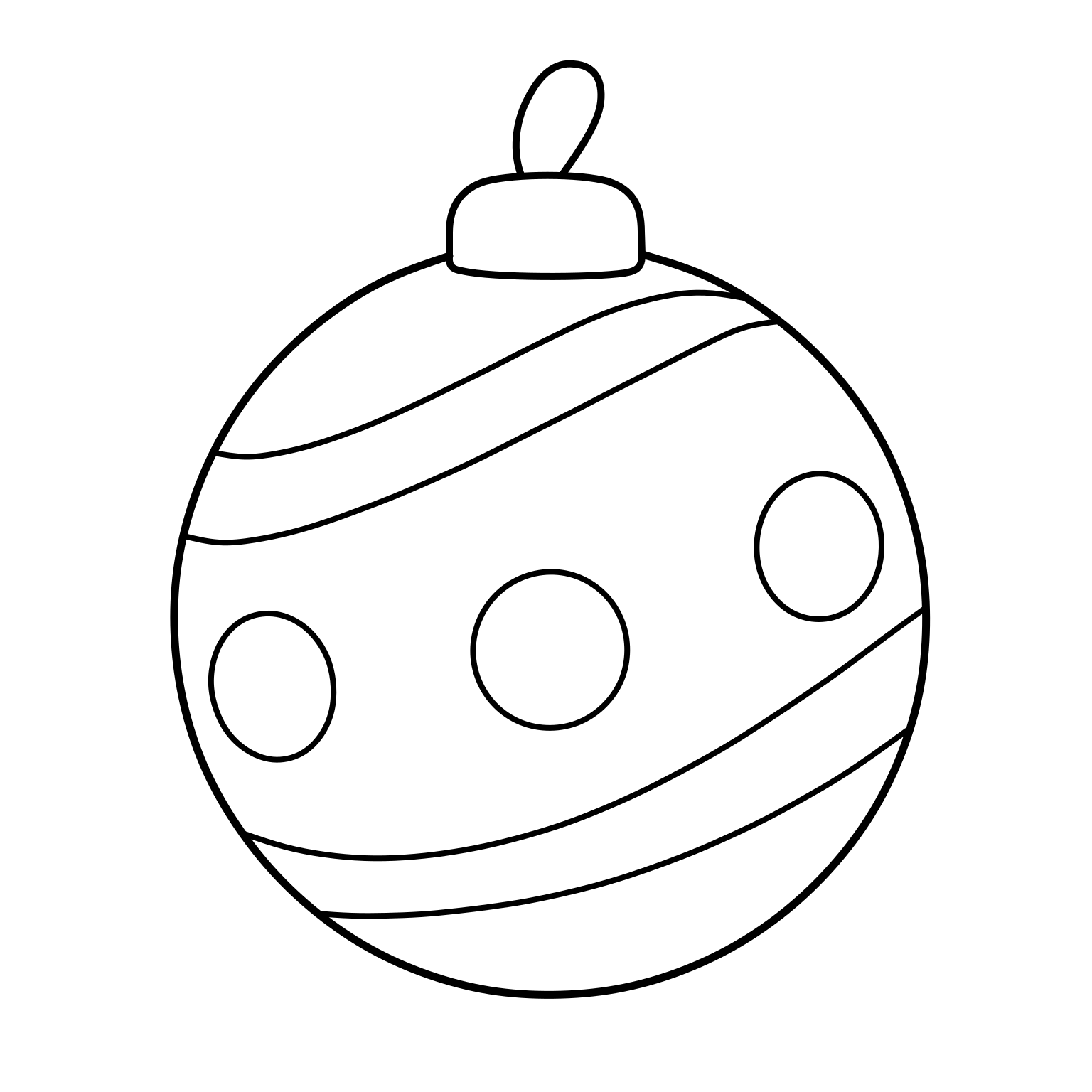
10 picture steps Video included
A Christmas ornament
MediumCurved bands must follow one another and stop cleanly at the round outline.
Start with a rounded body and a tilted loop, then add two curved bands and three outlined dots.
Start the lesson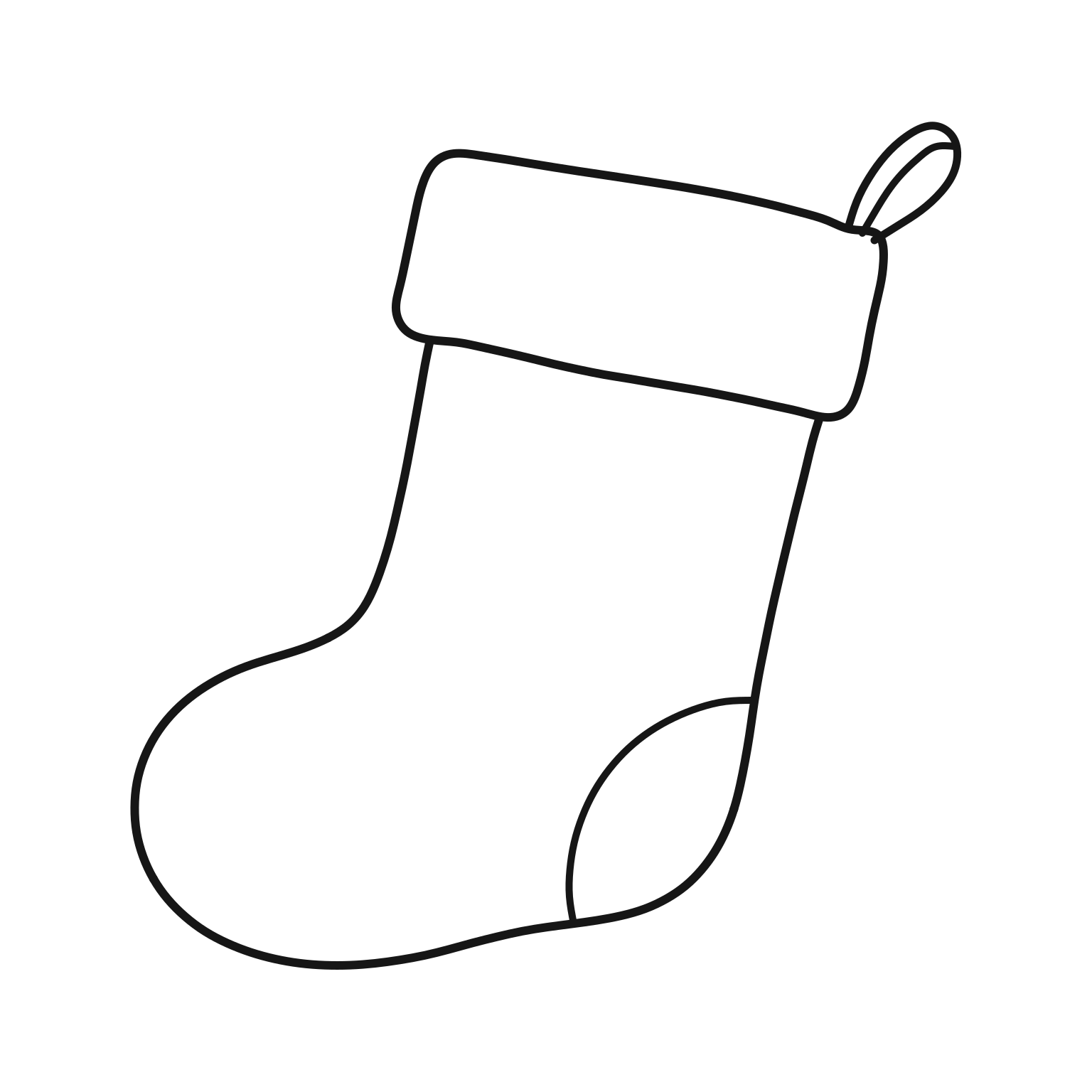
9 picture steps Video included
A Christmas stocking
MediumAn overlapping box and oval become a bent ankle, rounded heel and toe.
Join simple guides into a stocking, then add its patch and loop.
Start the lesson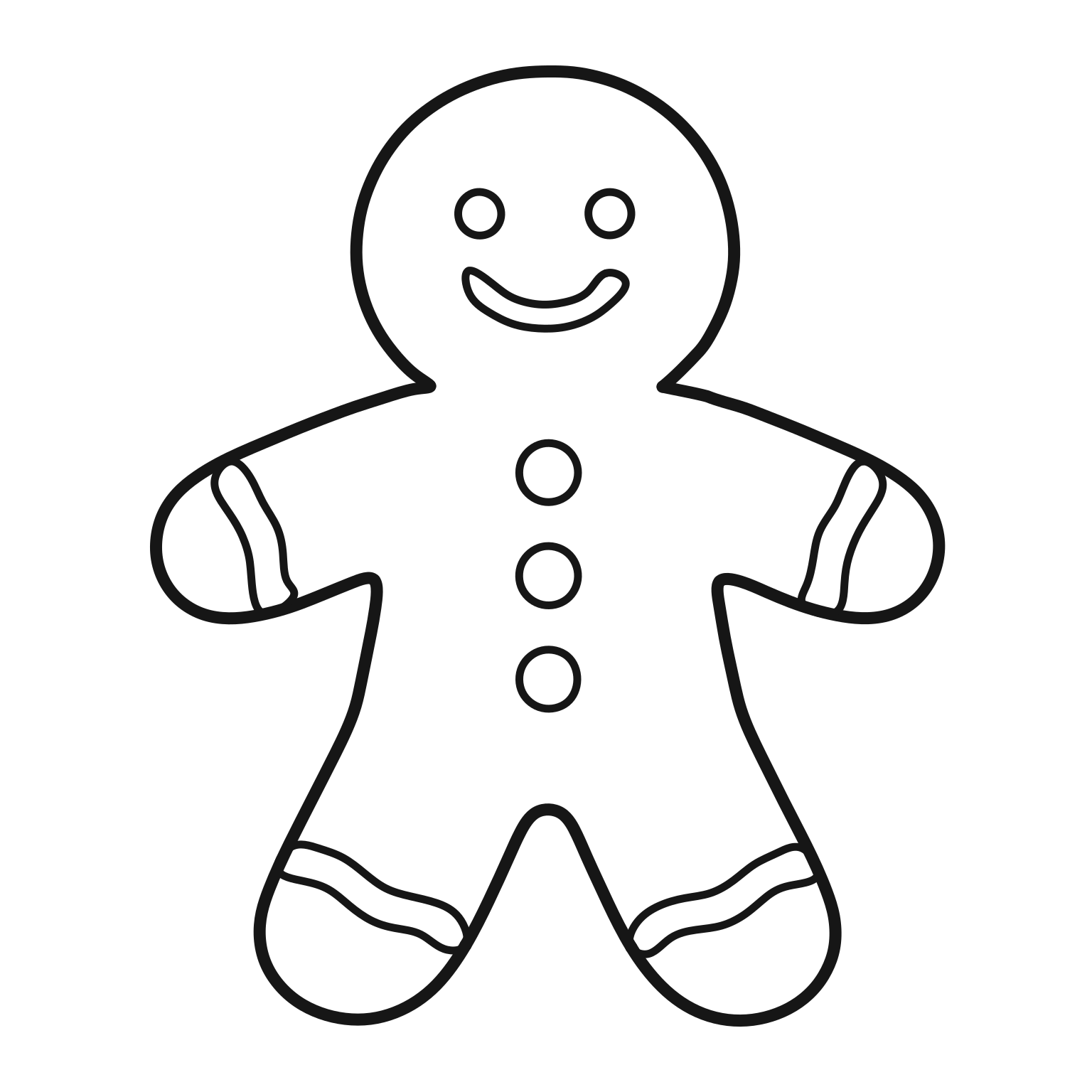
14 picture steps Video included
A gingerbread person
MediumSeveral overlapping guides must become one outline around the head, arms and legs.
Join rounded shapes, then add a smile, buttons and icing.
Start the lesson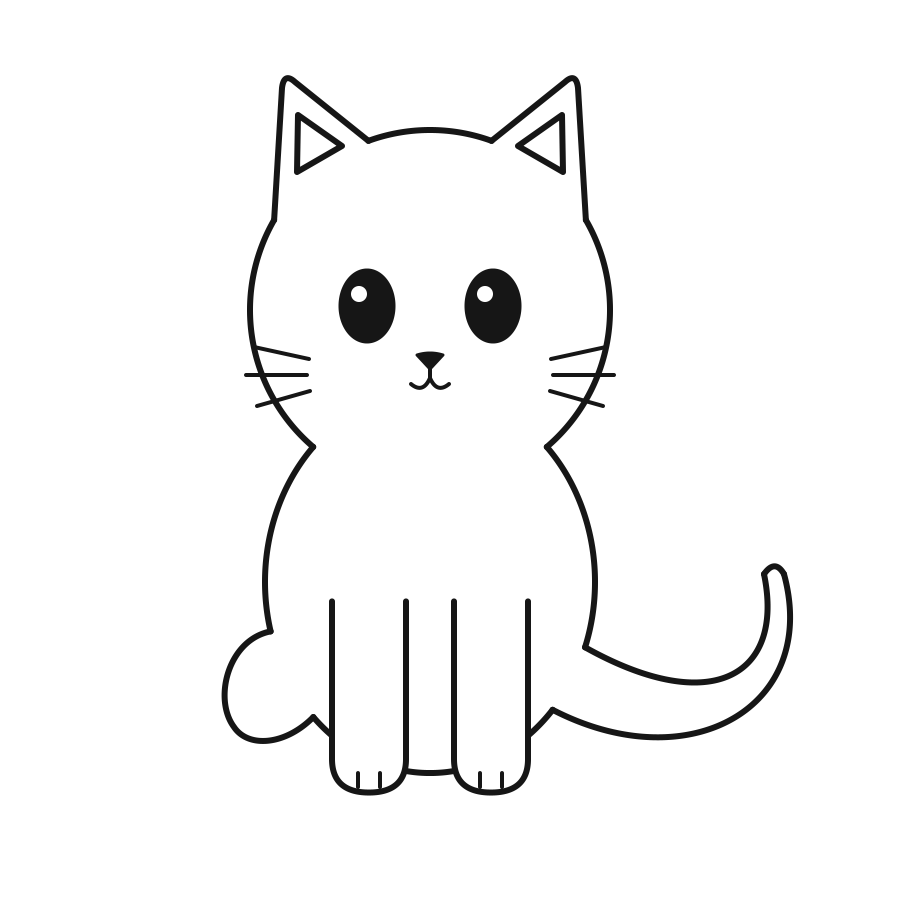
16 picture steps Video included
A kitten
MediumOverlapping ears, paws and a curved tail need selected joins and hidden-line removal.
Start with a circle and an oval, join the ears, paws and tail, then add a friendly face.
Start the lesson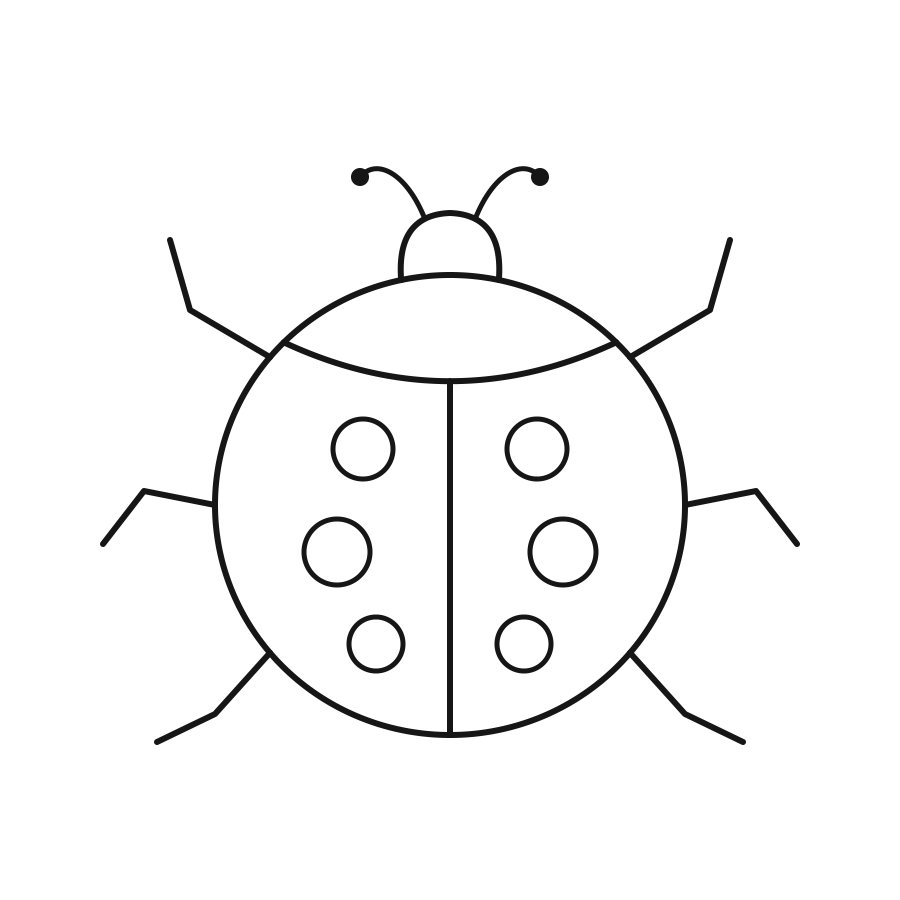
12 picture steps Video included
A ladybug
EasyOne oval, separate spots and paired bent lines make a flat insect.
Start with an oval, add the head and round spots, then draw three pairs of bent legs.
Start the lesson
8 picture steps Video included
A rainbow
MediumFive nested curves need steady spacing and precise stops at both clouds.
Connect two fluffy clouds with five spaced curves.
Start the lesson
14 drawing steps Pictures only
A snow globe
MediumA centred tree, small star and base overlap require several placement and cleanup decisions.
Build a tree inside a round globe, then add snow and a wide base.
Start the lesson
8 picture steps Video included
A heart
MediumMatching two circles and keeping selected arcs calls for alignment and careful erasing.
Draw a heart for someone, or enjoy making two smooth, matching curves.
Start the lesson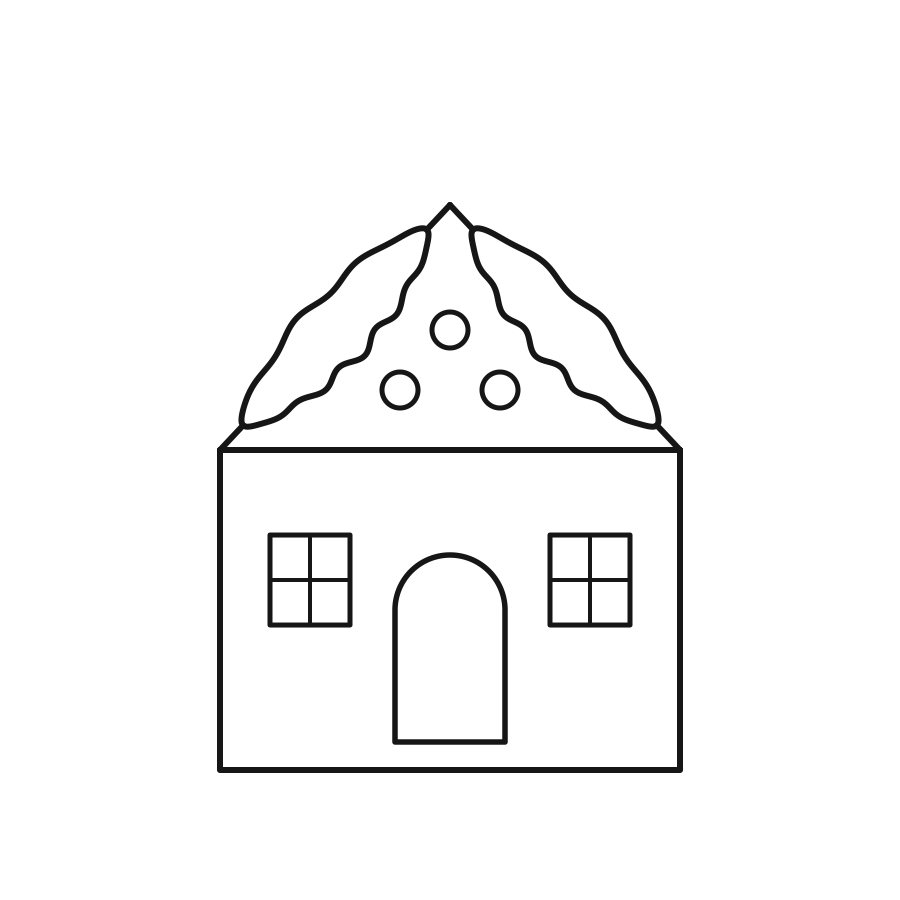
14 picture steps Video included
A gingerbread house
MediumRoof icing replaces selected guide edges, while windows and the door need aligned placement.
Build a gingerbread house from simple shapes, then choose the sweets for its roof.
Start the lesson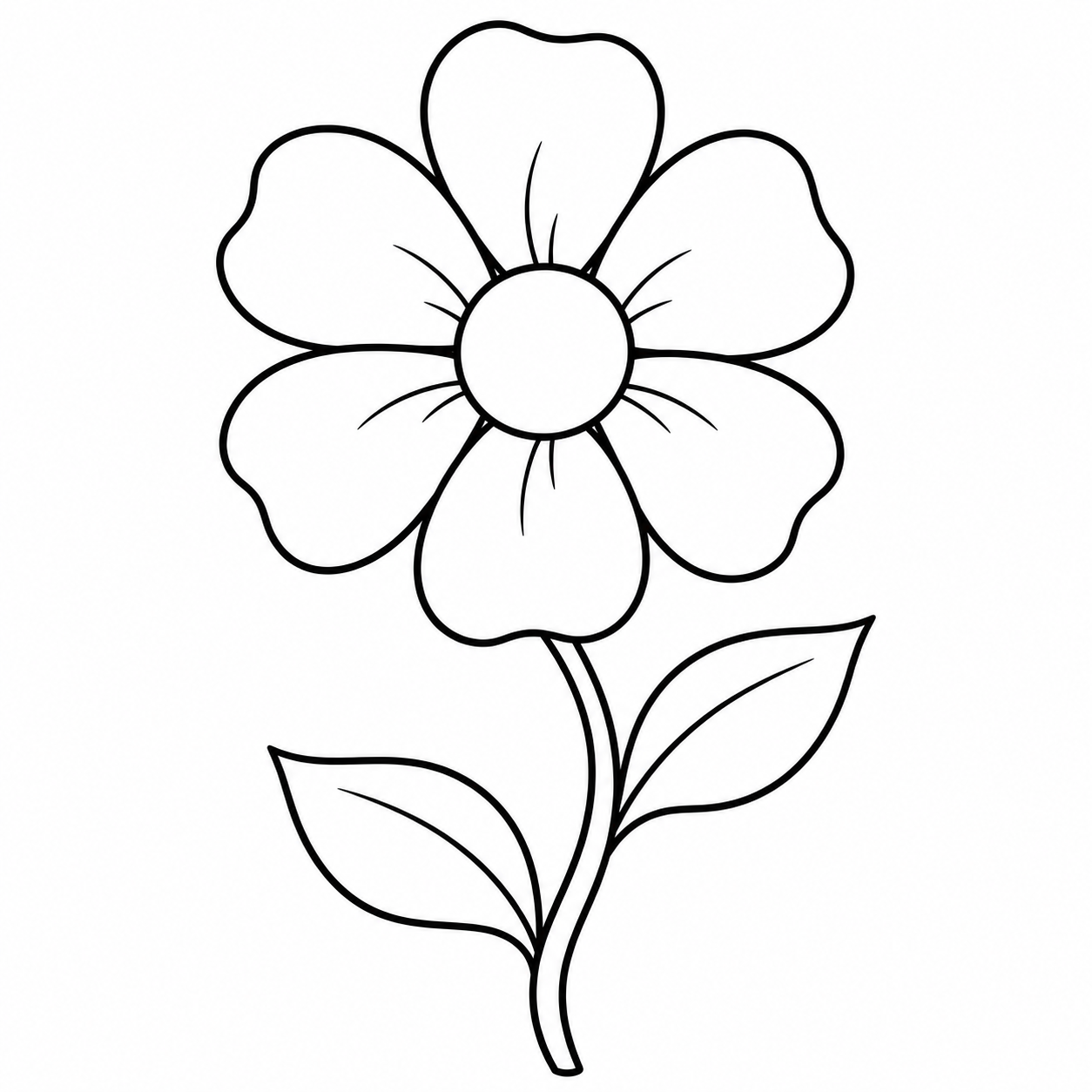
22 picture steps Pictures only
A flower
MediumShared petal edges and a narrow curved stem need coordinated joins and guide cleanup.
Build a six-petal flower around a small centre, then add a curved stem and two pointed leaves.
Start the lesson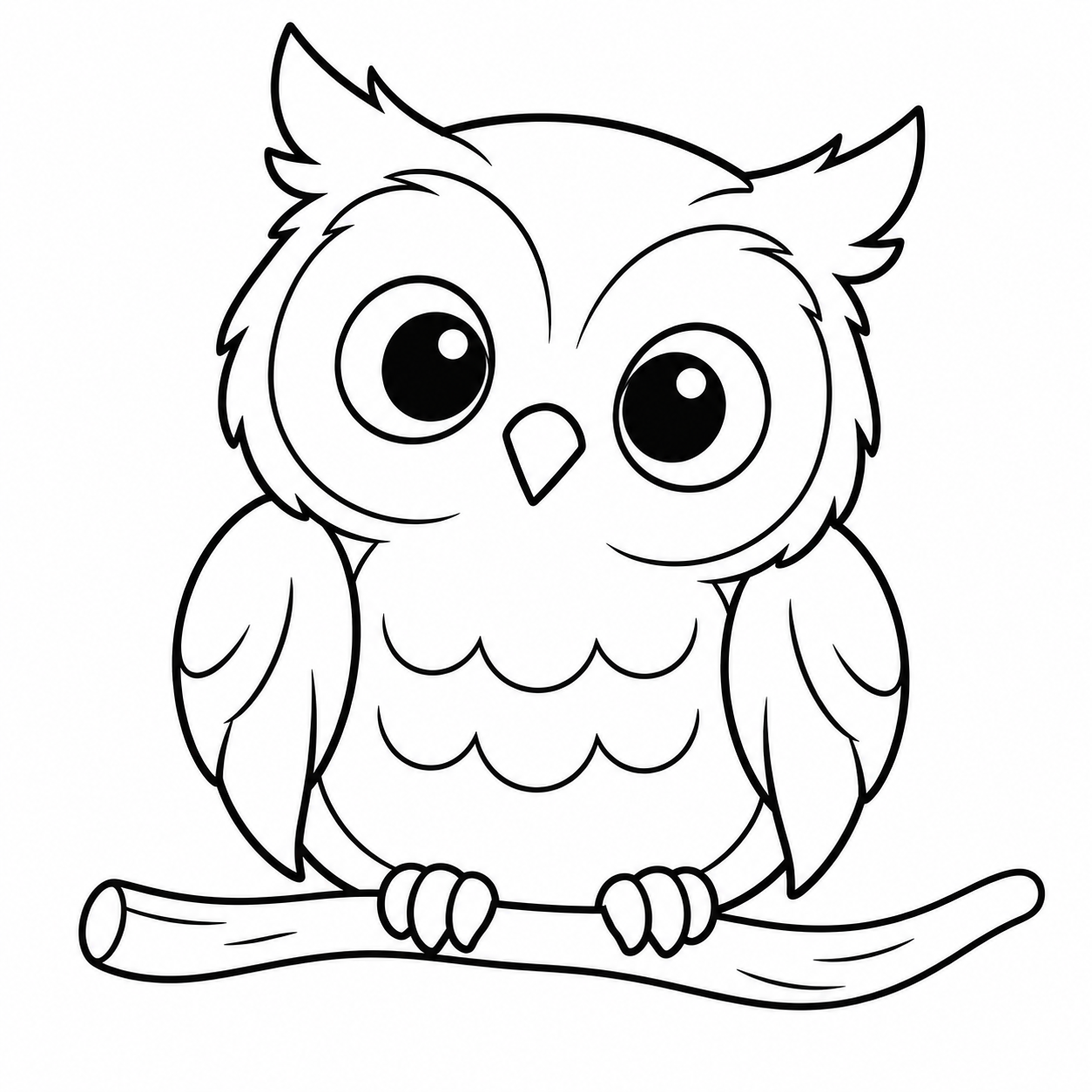
29 picture steps Pictures only
An owl
HardPointed feather turns and layered wing curves need careful control of connected outlines.
Join a perched owl’s broad head, layered wings and branch-gripping feet.
Start the lesson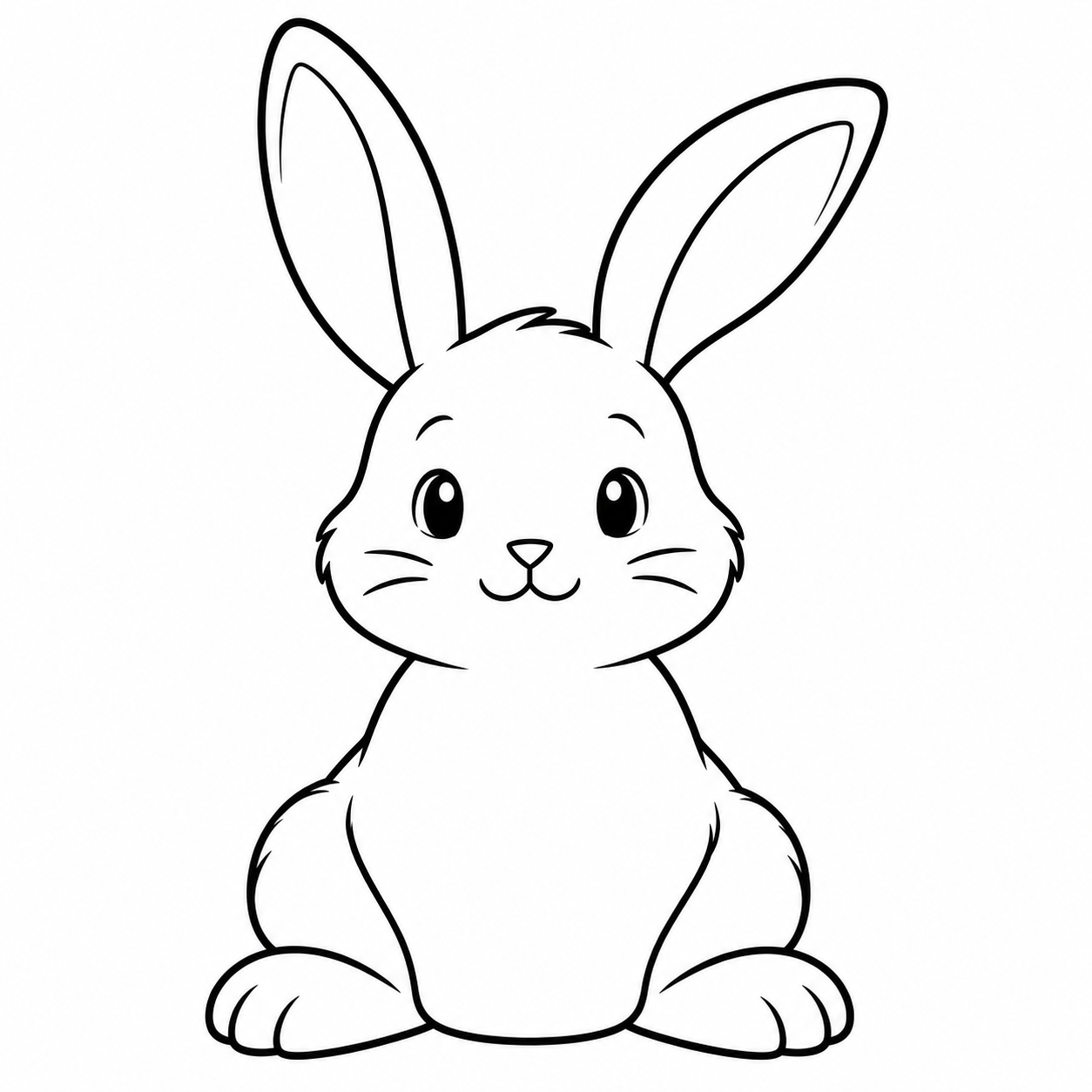
22 picture steps Pictures only
A bunny
MediumTilted ears, matched facial features and overlapping haunches need careful relative placement.
Build a seated bunny with long ears, a complete body and two broad feet.
Start the lesson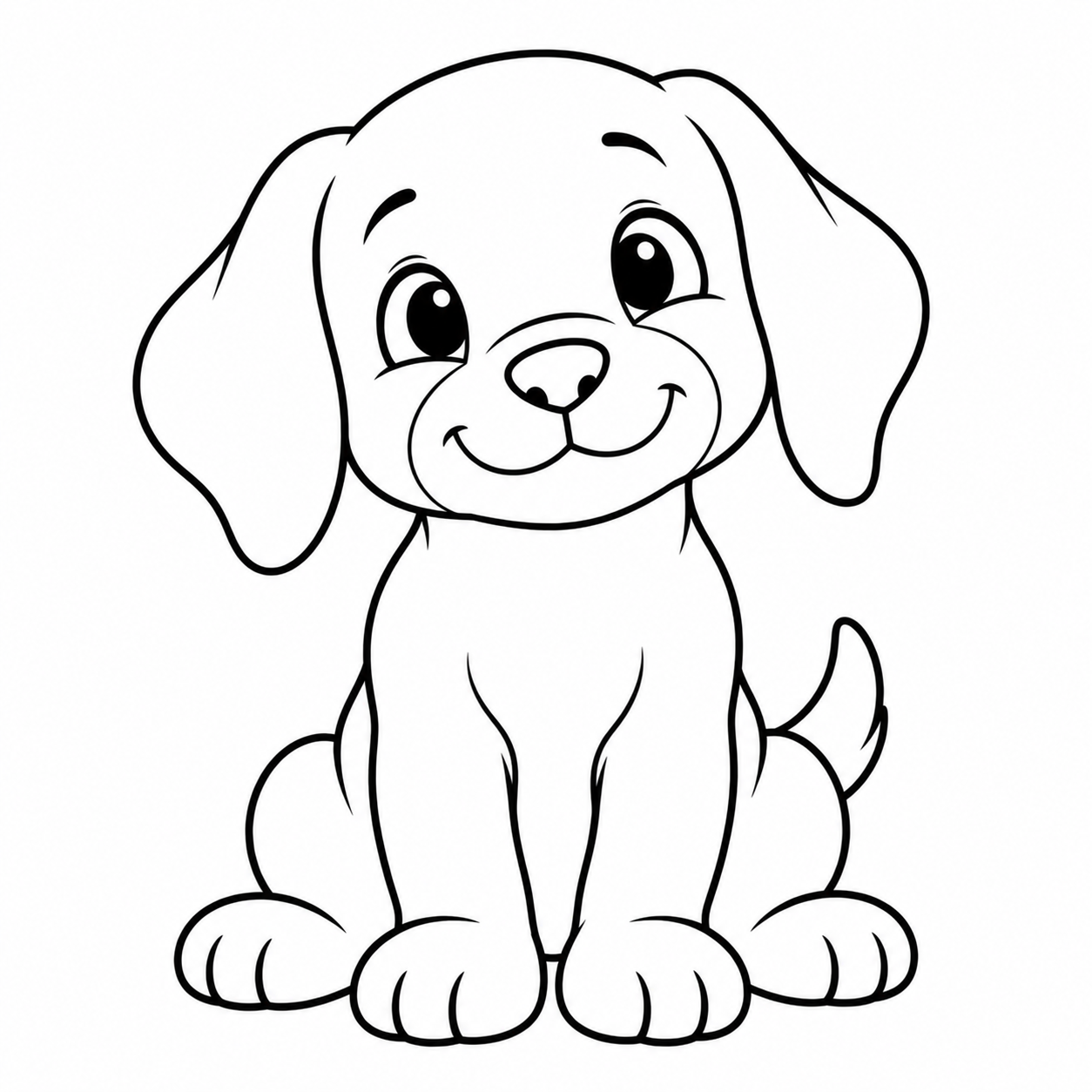
25 picture steps Pictures only
A puppy
MediumA tilted face and four overlapping paws require several connected guides and hidden-edge choices.
Build a sitting puppy from a tilted head oval, a narrower body and four rounded paws.
Start the lesson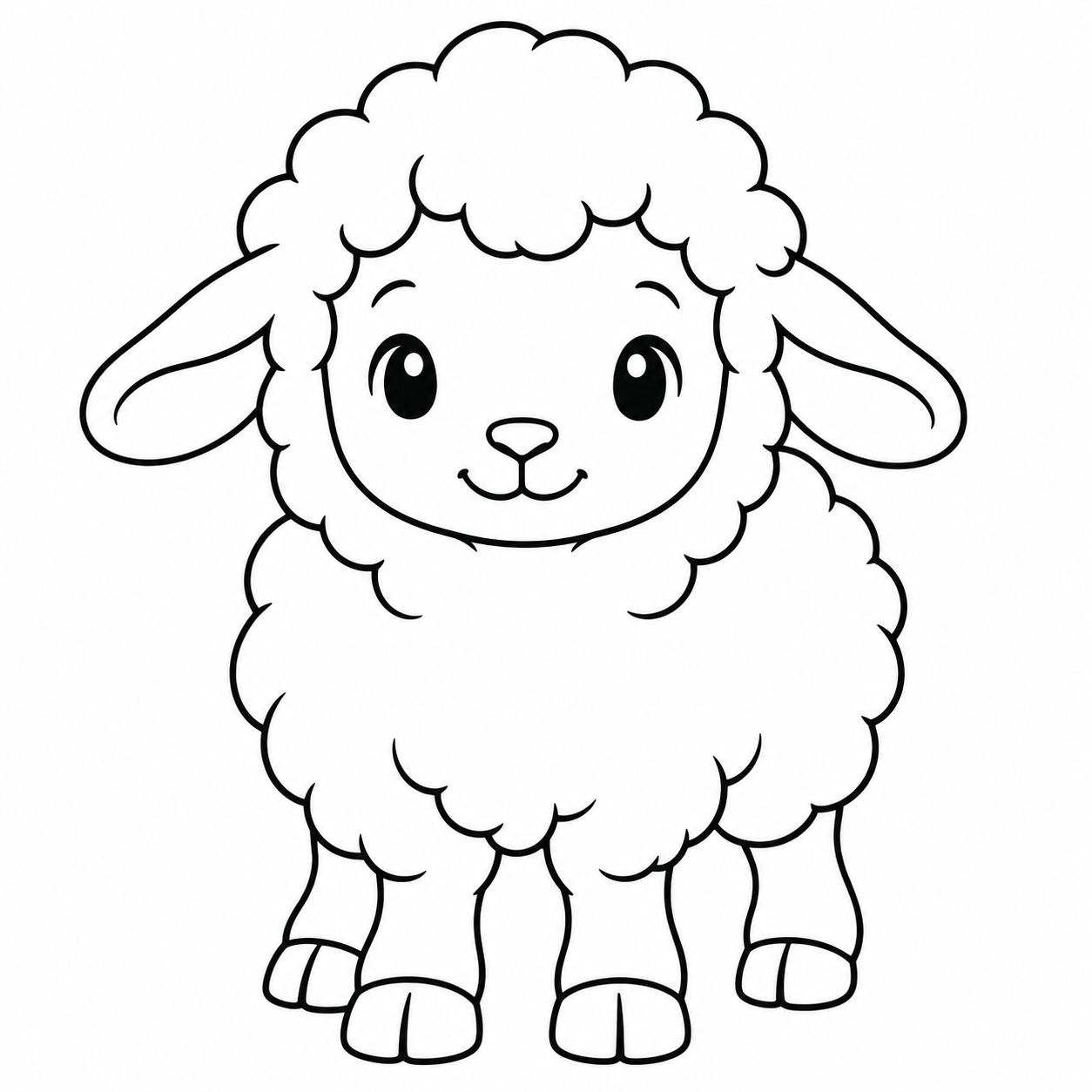
29 picture steps Pictures only
A sheep
MediumRepeated fleece curves must leave clear ear and leg joins, with smaller legs behind.
Frame a small face with soft fleece, then add four sturdy legs.
Start the lesson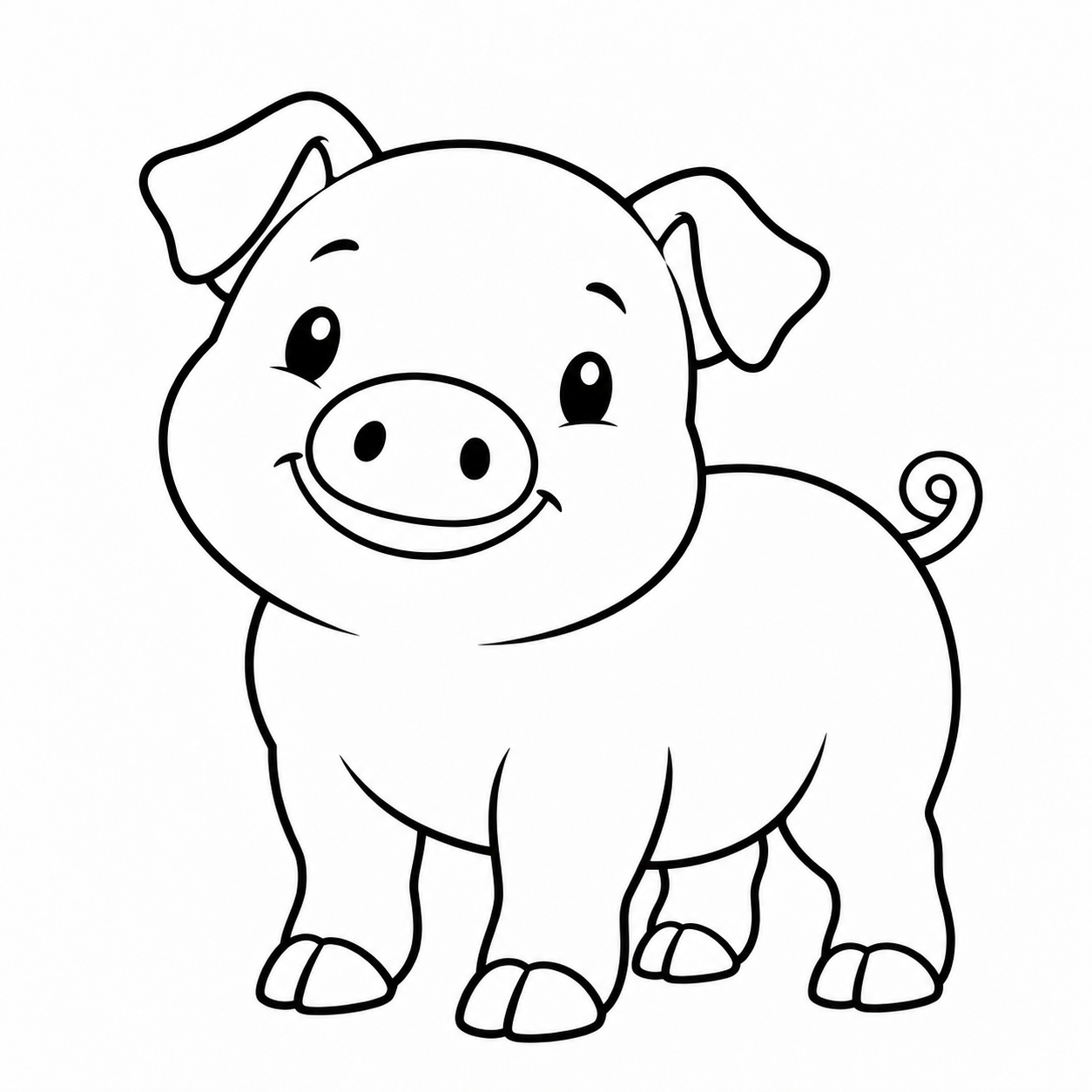
26 picture steps Pictures only
A pig
MediumFolded ears and four legs at different depths need guided bends and selective overlaps.
Build a smiling pig from overlapping circles, folded-ear shapes and four separately placed legs and hooves.
Start the lesson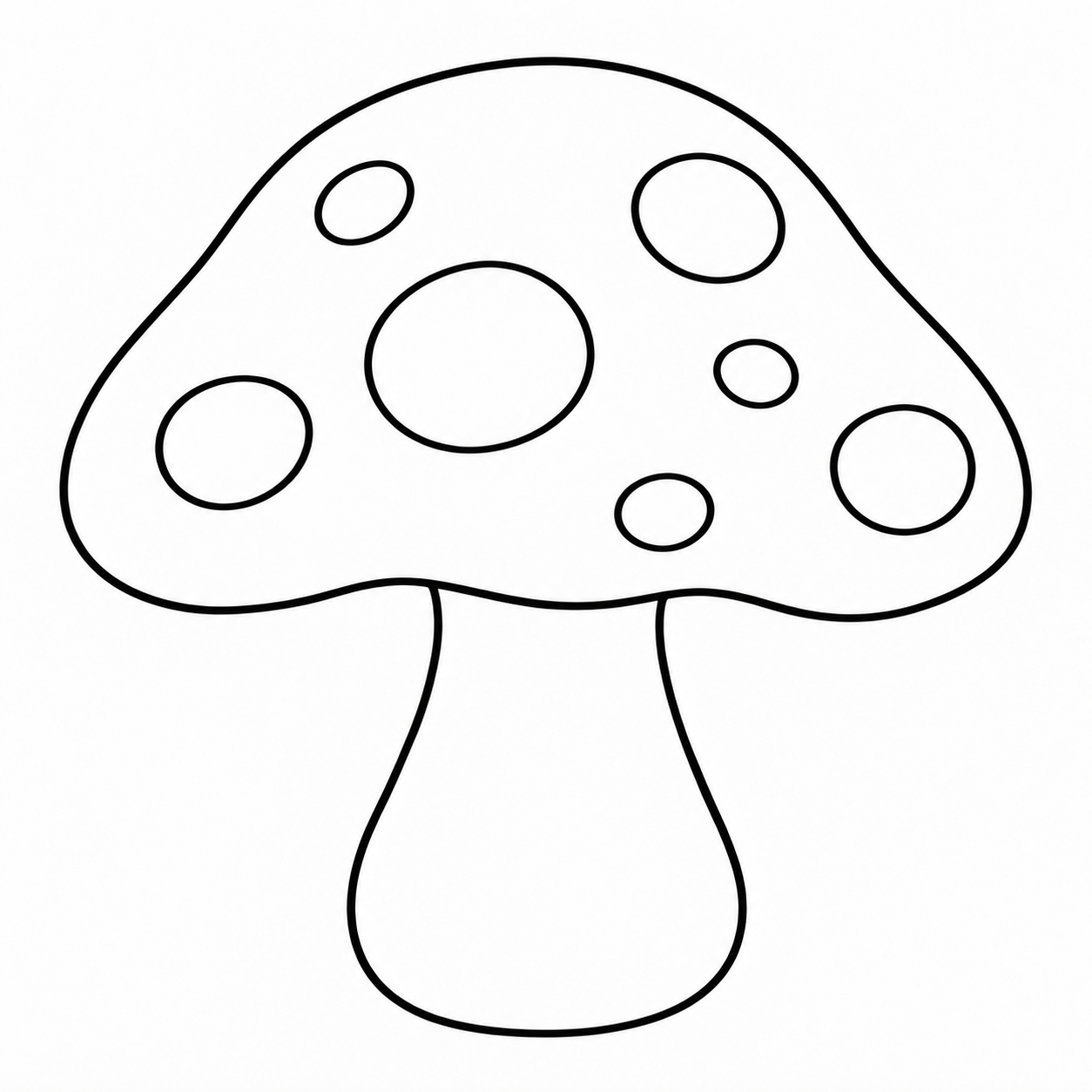
7 picture steps Pictures only
A mushroom
EasyA broad cap, rounded stem and separate spots use simple connected curves.
Draw a broad mushroom cap, then give it a playful pattern of round spots.
Start the lesson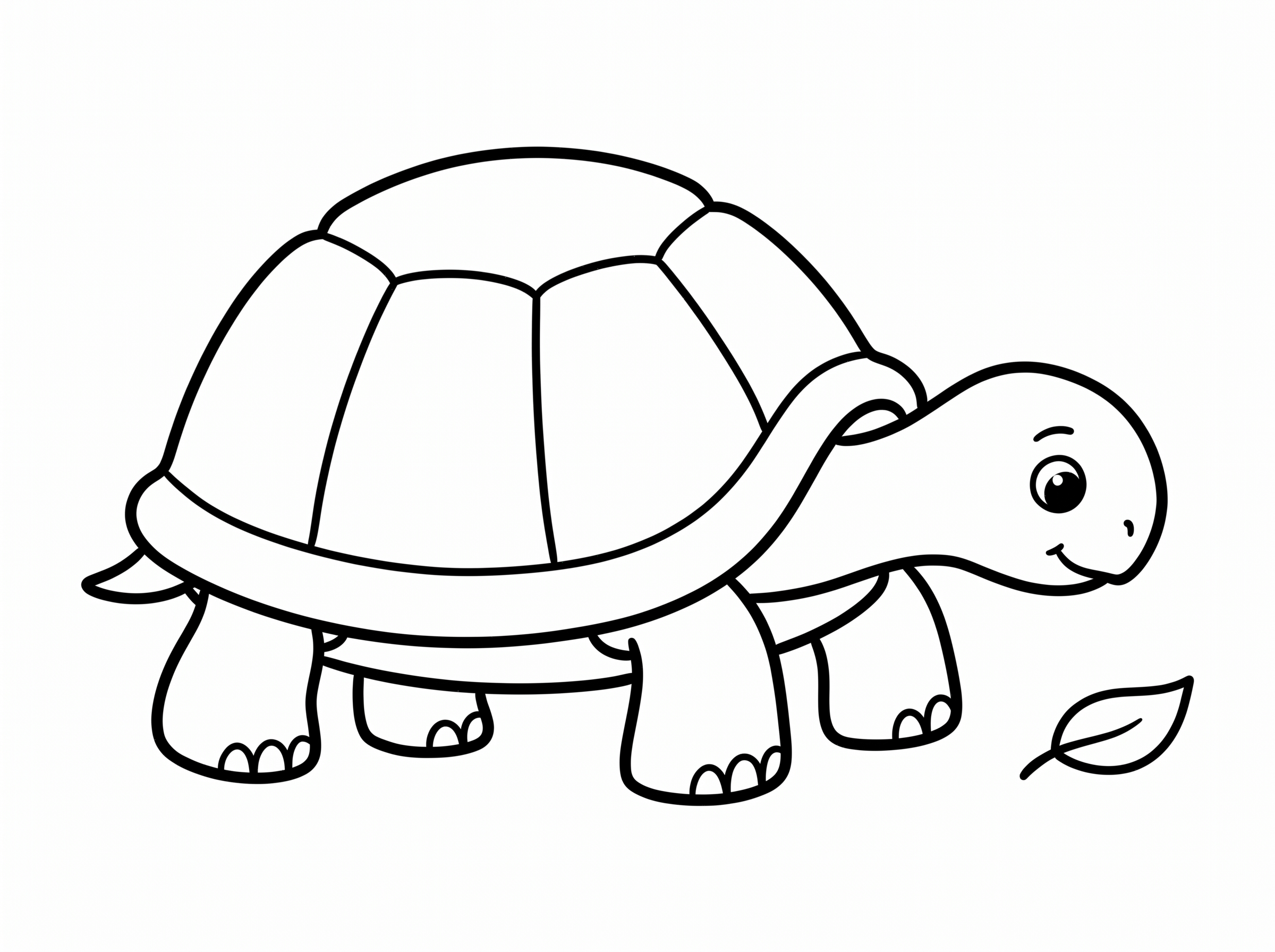
7 construction goals Pictures only
A turtle
MediumA curled shell rim, joined neck and smaller back feet require several guided overlaps.
Join the shell, neck and four feet using light shape guides, then choose optional details.
Start the lesson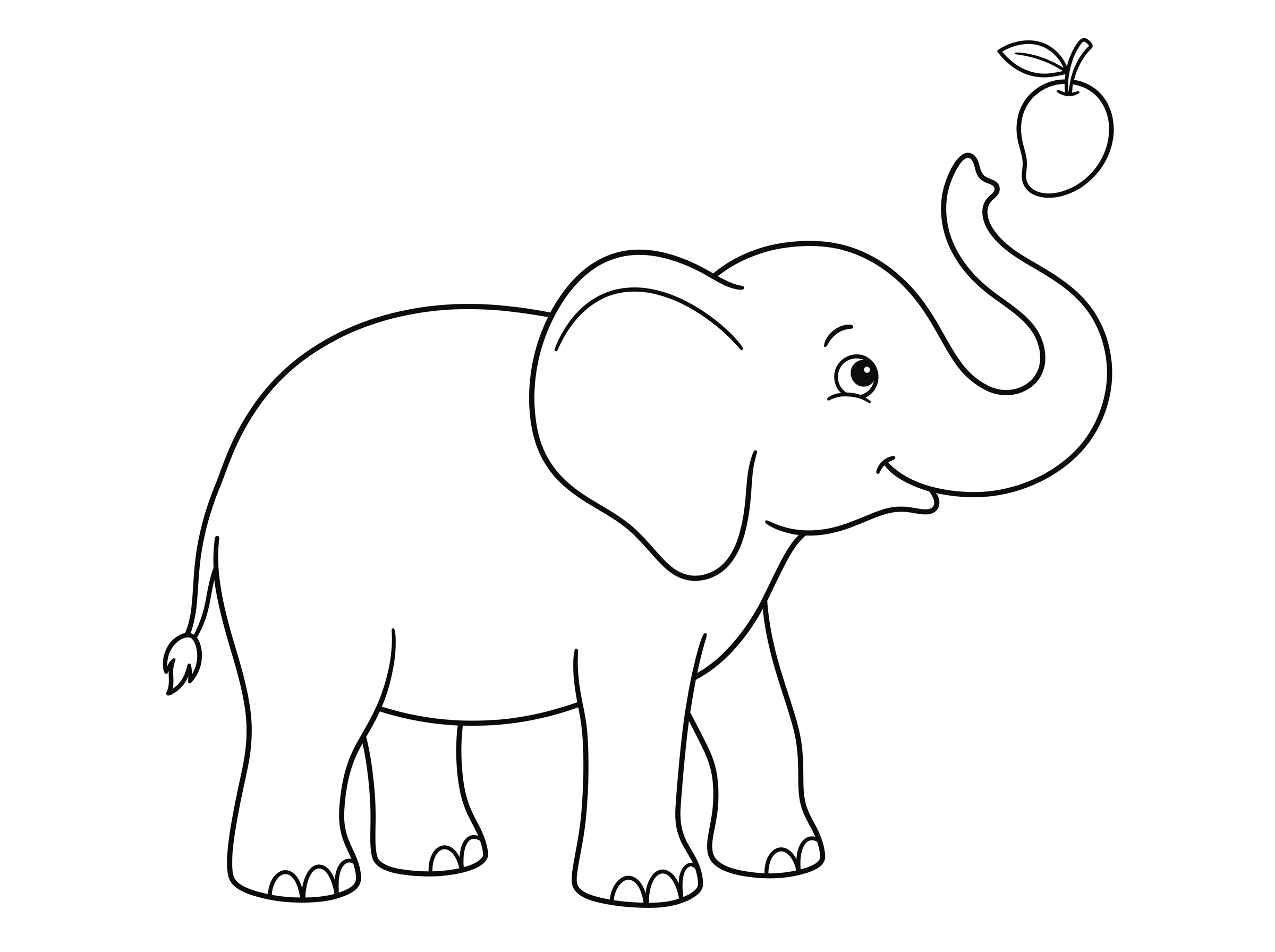
12 construction goals Pictures only
An elephant
HardThe raised trunk changes width through a compound bend before joining the head and rounded tip.
Use a curved path and width guides to build the trunk, then connect the ear and four legs.
Start the lesson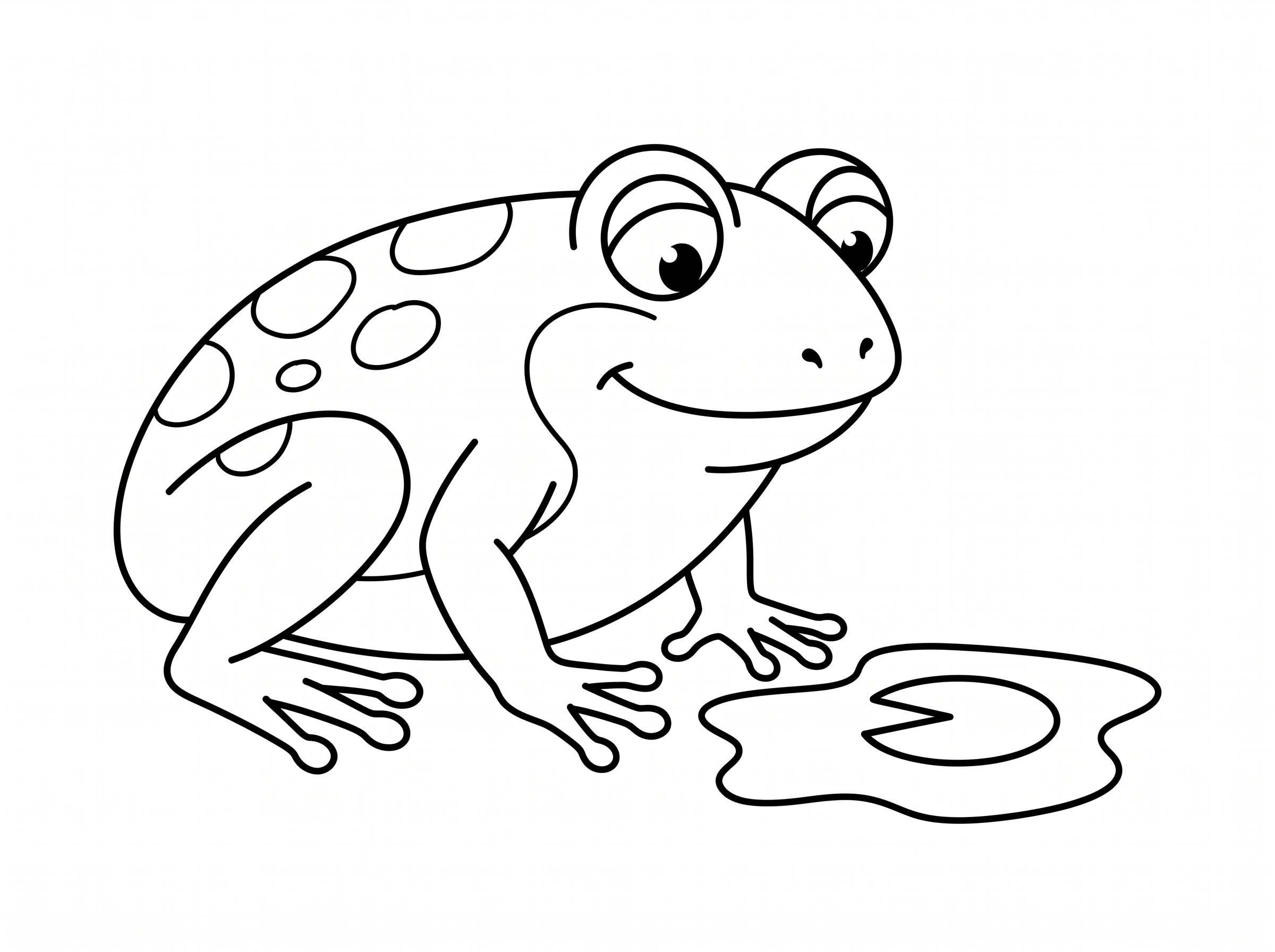
6 construction goals Pictures only
A frog
MediumFolded legs, curved front arms and spreading toes require connected guides and overlap decisions.
Place the crouching body, fold the legs into their feet, then erase the named guides. Choose optional spots and a lily pad.
Start the lesson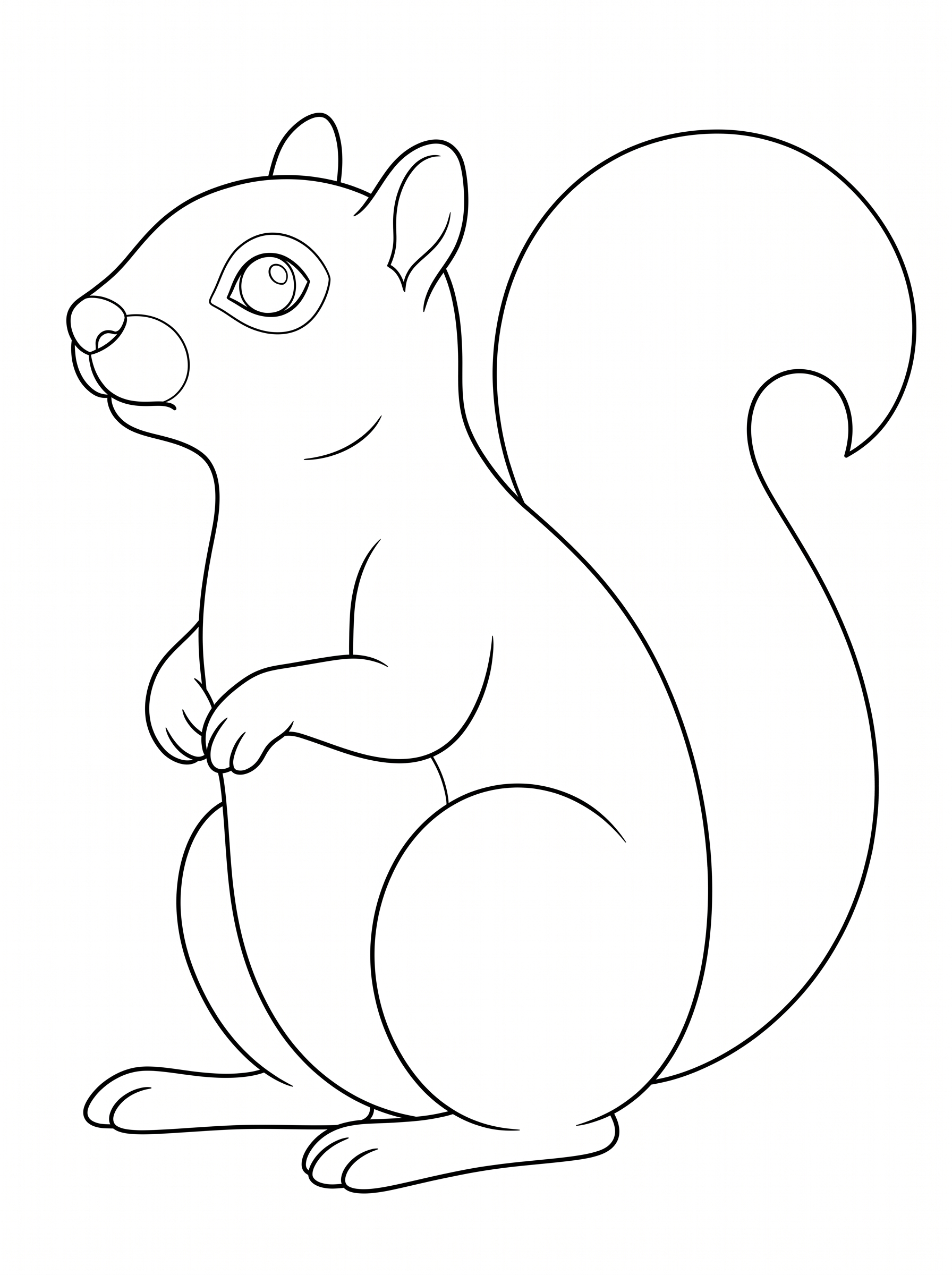
6 construction goals Pictures only
A squirrel
HardThe hooked tail changes direction and width; tapered ear curves need careful control.
Shape the ears, muzzle and hooked tail from light guides, then join the paws and feet and erase the named guides.
Start the lesson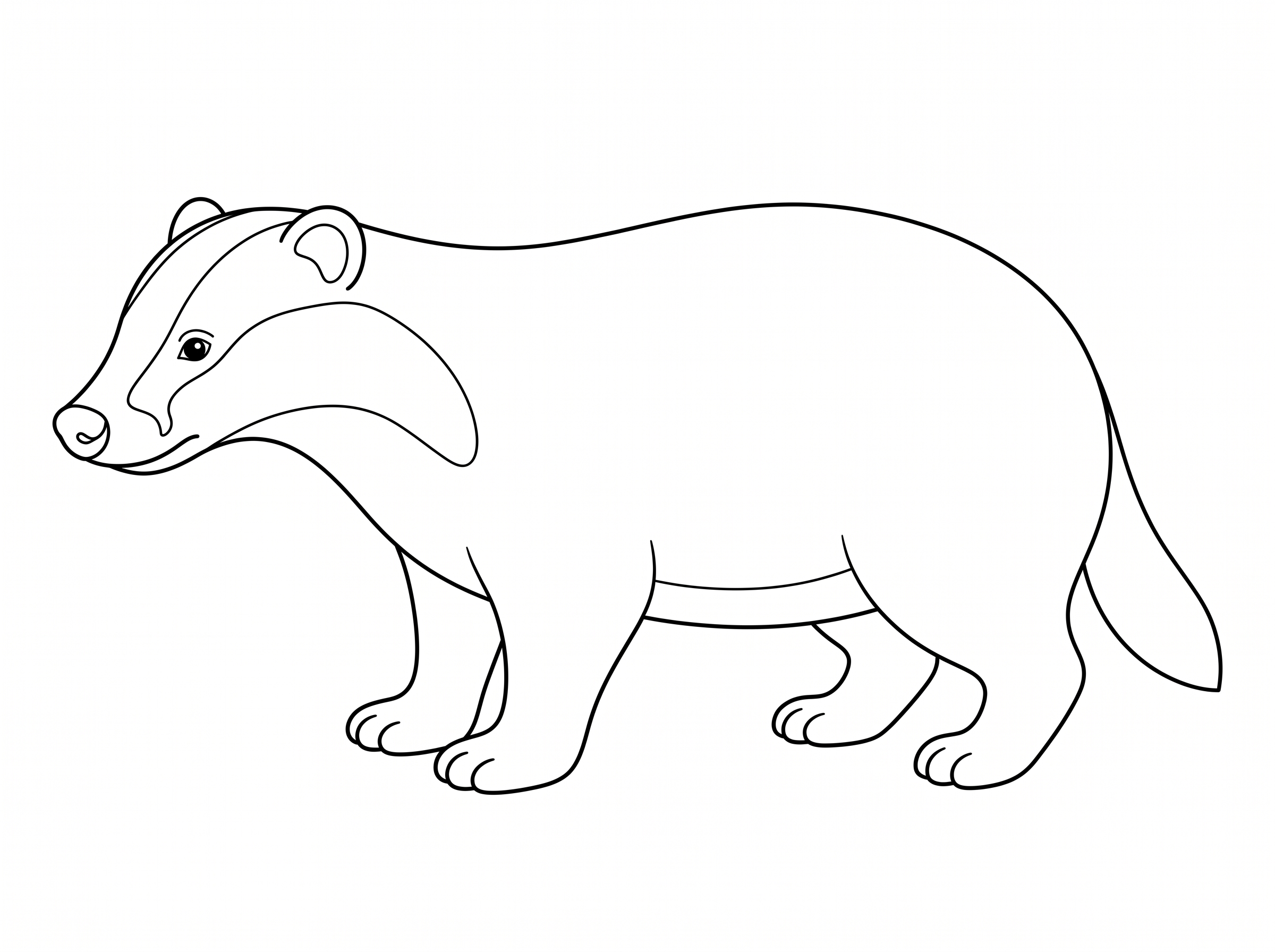
5 construction goals Pictures only
A badger
HardBent rear legs and tapered face bands need carefully placed turns and controlled curves.
Connect the muzzle, build four legs and place tapered face bands with light guides and exact erase pictures.
Start the lesson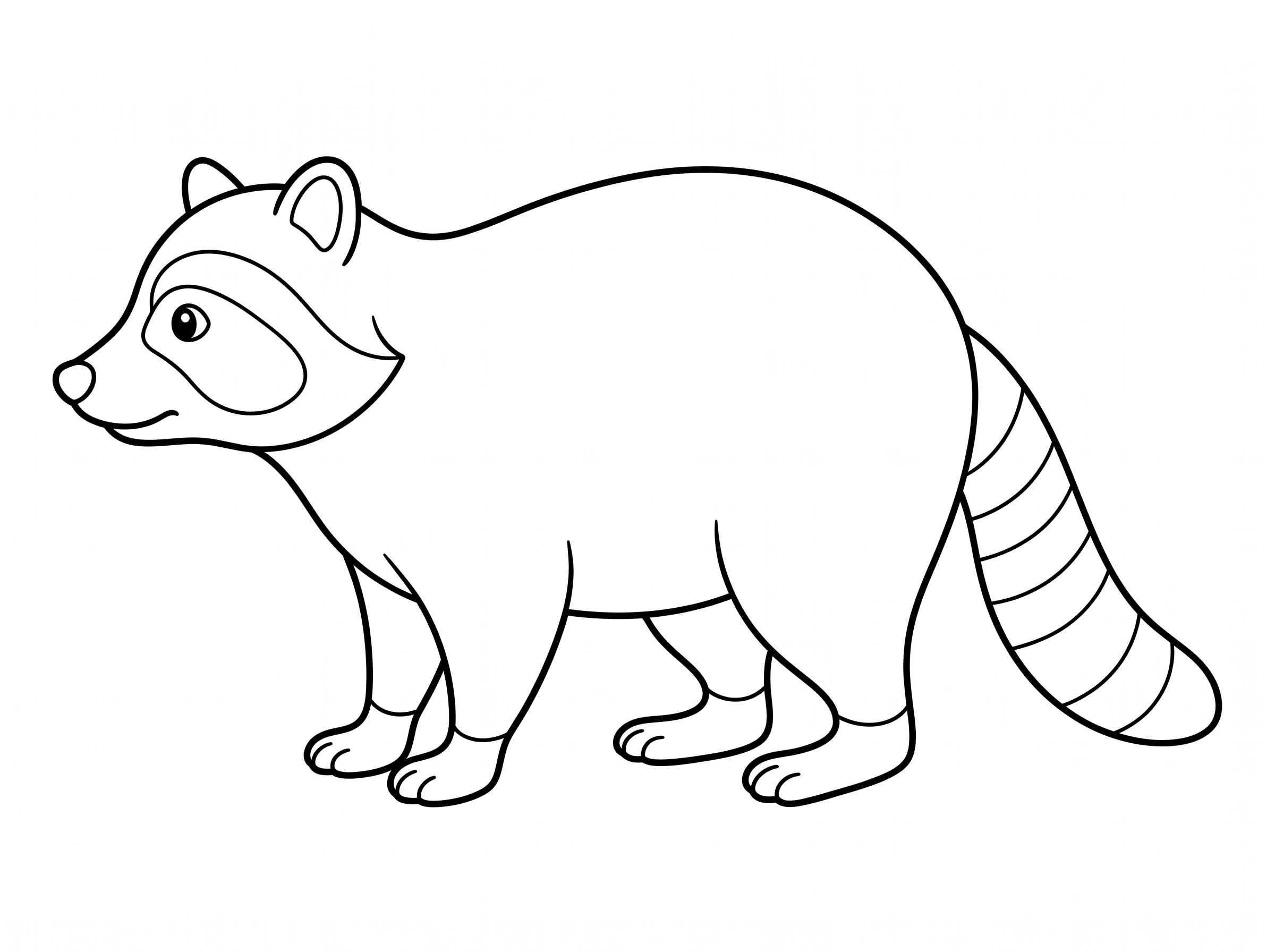
5 construction goals Pictures only
A raccoon
HardThe face mask, changing-width tail and bent rear legs need controlled turns and connected curves.
Build the face mask, connect four legs and shape the striped tail with light guides and exact cleanup pictures.
Start the lessonBuild an animal from simple shapes
Connect a turtle’s shell, neck and feet, build an elephant’s curved trunk, fold a frog’s legs into its feet, shape a squirrel’s ears and hooked tail, connect a badger’s legs and face bands, or build a raccoon’s mask and striped tail. These complete lessons show smaller actions within each goal, exact guide removal and optional help. All six include Letter, A4 and phone PDFs.
Practise Woodland animals
Try the Hard Squirrel, Badger and Raccoon lessons when you are comfortable joining shapes and erasing hidden guides. Each lesson keeps the complete picture sequence available beside its downloads.
A few lines.
A picture of your own.
Choose your picture.
See the finished drawing before you start.
Add one part at a time.
Orange marks show what to add; black marks show earlier lines. Some lessons also use light-gray guides and show when to erase them.
Make it yours.
Try a favorite color or draw the same picture again. Small differences are welcome.
Before you start drawing
What do I need?
Use plain paper and a pencil. Keep an eraser nearby for lessons with light construction guides. The pictures show which guides to remove and which outlines to keep. Coloring your finished picture is optional.
Can I draw without following the video?
Yes. Every lesson has numbered steps or construction goals, with pictures and written instructions. Print the worksheet to work away from the screen. When drawing with a child, read one instruction aloud and give them time to try it.
Does my picture need to look exactly the same?
No. Use the shapes and joins as a guide, then try a different smile or favorite colors. You can draw the picture again and change a detail each time.
Which worksheet should I print?
Choose US Letter for 8.5 × 11 inch paper or A4 for 210 × 297 mm paper. Each pair contains the same lesson. For Heart, Rainbow and Ladybug, use the complete lesson or phone guide for your first drawing. Keep the one-page reference beside you when you draw it again. Print at actual size on matching paper, or use your printer’s fit option if needed. Read the printing guide.